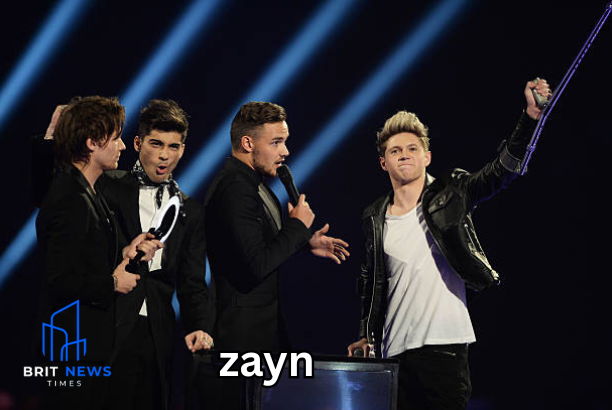
Zayn Malik first became famous as a member of One Direction, the British-Irish pop group formed during The X Factor in 2010. Alongside Harry Styles, Louis Tomlinson, Niall Horan, and Liam Payne, he quickly became one of the most recognizable young musicians in the world.
Before international fame, Zayn grew up in Bradford, England, in a multicultural household. His background played a major role in shaping both his identity and public image later in life. Discussions about zayn malik ethnicity remain common because many fans connected with seeing a globally famous pop artist who represented mixed cultural roots.
After leaving One Direction in 2015, Zayn launched a solo career focused on alternative R&B and more personal songwriting. His debut solo music showed a dramatic shift from mainstream pop into darker, more emotional themes.
One unique insight often overlooked is that Zayn’s solo success helped redefine how former boy-band artists transition into adulthood. Instead of trying to recreate One Direction’s sound, he intentionally distanced himself from it to gain creative control.
Why Zayn Left One Direction
The topic of zayn one direction still generates huge interest because many fans never fully understood why he left such a successful group.
Zayn explained in interviews that he struggled with the intense pressure of nonstop touring, media attention, and lack of privacy. While One Direction was commercially unstoppable, the schedule was emotionally exhausting. He wanted a normal life and more artistic freedom.
Several factors influenced his decision:
- Burnout from constant global touring
- Anxiety linked to public appearances
- Desire for personal independence
- Creative frustration with musical limitations
- Need for privacy outside celebrity culture
At the time, many fans were shocked because leaving a globally dominant group seemed risky. However, looking back years later, the move appears more understandable.
Another uncommon insight is that Zayn’s departure changed how entertainment companies now manage young artists. Discussions around mental health, burnout, and performer pressure became more open partly because of situations like his.
Zayn Malik and Gigi Hadid Relationship
Searches for gigi hadid and zayn malik and zayn and gigi remain extremely popular because their relationship became one of the internet’s most followed celebrity romances.
The pair first started dating in 2015 and quickly became a major pop culture couple. Their relationship combined music, fashion, and celebrity influence in a way that attracted worldwide attention.
Fans followed their story through:
- Public appearances
- Magazine covers
- Social media posts
- Fashion campaigns
- Relationship rumors
- Breakup and reunion reports
Despite periods of separation, their relationship remained widely discussed because both maintained strong fan bases.
Unlike many celebrity couples who constantly share private details online, Zayn and Gigi often kept important parts of their relationship away from public view. That privacy created more curiosity and speculation from fans and media outlets.
Zayn Malik Daughter and Family Life
Interest in zayn malik daughter increased significantly after Zayn and Gigi Hadid welcomed their daughter Khai in 2020.
Fatherhood appears to have changed Zayn’s public priorities. Over time, he became noticeably more private and selective about appearances and interviews. Fans frequently search for updates because he rarely discusses family life in detail.
Several observers noticed that:
- His social media presence became calmer
- Public controversies decreased
- His music themes became more reflective
- He appeared more focused on stability than fame
One particularly interesting insight is that becoming a parent may have strengthened Zayn’s desire to protect personal boundaries. In modern celebrity culture, where oversharing is common, his decision to remain private actually increased public curiosity.
Many fans also appreciate that he avoids heavily commercializing his daughter’s image online, which is increasingly rare among high-profile celebrities.
Understanding Zayn Malik Ethnicity
Questions around zayn malik ethnicity continue trending because his background represents a mix of cultures that many fans relate to personally.
Zayn’s father is British Pakistani, while his mother has English and Irish heritage. Growing up in Bradford exposed him to both South Asian and British cultural influences.
This multicultural identity influenced:
- His worldview
- His music style
- His fan connection globally
- Representation discussions in entertainment
For many younger fans, Zayn became one of the first mainstream pop stars they saw openly representing mixed cultural roots without fitting into a single stereotype.
This mattered especially in global pop culture because representation in boy bands historically lacked diversity.
At times, Zayn also faced challenges related to identity expectations from media and audiences. Some critics attempted to label him narrowly, while fans often projected cultural expectations onto him.
Zayn Malik’s Solo Music Career
After leaving One Direction, many people expected Zayn to continue making straightforward pop music. Instead, he surprised listeners by shifting toward atmospheric R&B and emotionally vulnerable songwriting.
His solo work focused more on:
- Relationships
- Anxiety
- Isolation
- Fame pressure
- Personal identity
- Emotional honesty
This creative direction separated him from many former boy-band stars.
Songs from his solo career often feature:
- Minimal production
- Smooth vocal layering
- Darker lyrical themes
- Experimental sounds
- Less commercial structure
While some fans missed the upbeat energy of One Direction, others appreciated the authenticity of his newer work.
Critics frequently noted that Zayn’s vocal ability became more visible once he gained artistic control over his music style.
Zayn Malik Tour and Public Appearances
Searches for zayn malik tour increased as fans hoped for live performances and potential global tours. However, Zayn has historically maintained a complicated relationship with touring and live appearances.
Performance anxiety reportedly influenced many of his decisions regarding concerts and public events.
This creates an unusual situation:
- His streaming numbers remain strong
- Fan demand stays high
- Yet public performances remain limited
Unlike artists who constantly seek visibility, Zayn often appears selective about when and where he engages publicly.
One overlooked insight is that scarcity can actually strengthen fan loyalty. Because Zayn appears less frequently than many celebrities, every interview, appearance, or music release receives intense attention.
How Fame Changed Zayn’s Public Image
Early in his career, Zayn was often portrayed primarily as the “mysterious member” of One Direction. Over time, however, his image became more layered.
Today, fans see him differently:
- A father
- A solo musician
- A private celebrity
- A creative artist
- A mental health advocate indirectly through experience
His evolution reflects a broader cultural shift where audiences increasingly value authenticity over constant visibility.
Instead of trying to dominate headlines daily, Zayn built a quieter but still powerful celebrity presence.
Common Misunderstandings About Zayn Malik
Several misconceptions continue circulating online about Zayn.
“He disappeared completely”
In reality, Zayn still releases music and remains culturally influential. He simply avoids excessive media exposure.
“He regrets leaving One Direction”
There is no clear evidence that he regrets the decision. While emotionally complicated, leaving appears connected to his mental well-being and artistic freedom.
“His career ended after One Direction”
His solo career achieved major streaming success and global recognition independently.
“He avoids fans”
Zayn seems more uncomfortable with celebrity culture itself than with supporters personally.
Why Zayn Still Matters in Pop Culture
Even years after leaving One Direction, Zayn remains highly relevant because his career reflects larger modern conversations:
- Mental health in entertainment
- Identity and representation
- Privacy in digital culture
- Celebrity burnout
- Artistic independence
Many artists today openly discuss pressures that were rarely acknowledged during earlier pop eras.
Zayn’s story resonates because it feels human rather than perfectly polished.
FAQs
Who is Zayn Malik?
Zayn Malik is a British singer and former member of One Direction. He later launched a successful solo career focused on R&B-inspired music and personal songwriting.
What is Zayn Malik ethnicity?
Zayn Malik has mixed heritage. His father is British Pakistani, and his mother has English and Irish roots.
Does Zayn Malik have a daughter?
Yes, Zayn Malik and Gigi Hadid share a daughter named Khai, born in 2020.
Are Gigi Hadid and Zayn Malik still together?
Their relationship status has changed multiple times publicly over the years. Both continue co-parenting their daughter while maintaining relatively private personal lives.
Why did Zayn leave One Direction?
Zayn left One Direction due to stress, pressure from fame, and a desire for personal freedom and creative independence.
Is Zayn Malik going on tour?
Fans frequently search for zayn malik tour updates, but official large-scale touring plans have remained limited compared to many major artists.
Conclusion
Zayn Malik’s journey stands out because it never followed the expected celebrity path. From global boy-band fame to a quieter solo career, he consistently chose personal authenticity over nonstop public exposure. His story connects with fans not only because of music, but because it reflects real struggles involving identity, pressure, privacy, and growth.
Interest in zayn malik daughter, zayn malik ethnicity, and gigi hadid and zayn malik shows that audiences remain deeply invested in both his personal and professional evolution. Even with fewer public appearances, Zayn continues to influence modern pop culture through individuality, artistic honesty, and his willingness to step away from traditional fame expectations.