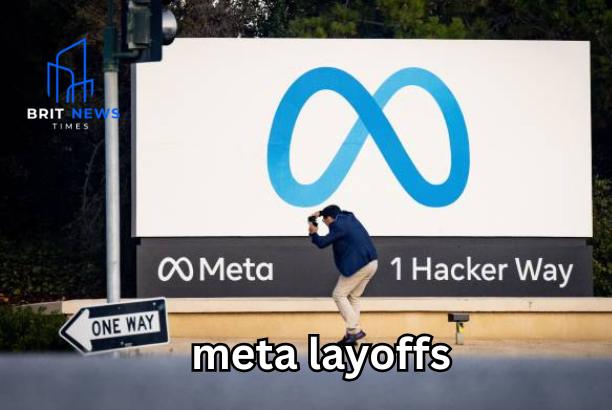
Meta Platforms became one of the most closely watched companies during the tech industry restructuring wave because its layoffs symbolized a larger shift happening across Silicon Valley.
For years, large tech firms hired aggressively. During the pandemic era especially, companies expanded teams rapidly because digital activity surged worldwide. But once economic conditions changed, many organizations realized they had grown faster than revenue stability justified.
Meta responded with multiple rounds of workforce reductions tied to:
- Cost efficiency
- AI infrastructure spending
- Metaverse investments
- Reality Labs losses
- Long-term profitability goals
The company described parts of this process as increasing operational efficiency, but many workers experienced it as sudden uncertainty after years of rapid expansion.
The Connection Between Meta Layoffs and AI
One of the biggest reasons searches for Meta layoffs AI continue rising is because people suspect artificial intelligence is replacing jobs. The reality is more complicated.
AI is not simply replacing entire departments overnight. Instead, Meta is redirecting enormous resources toward AI development, computing power, and infrastructure.
This includes:
- AI research teams
- Large language models
- Data center expansion
- GPU investments
- Recommendation algorithms
- AI assistant development
The challenge is financial balance. Building advanced AI systems costs billions of dollars. To support these investments, companies often reduce spending elsewhere.
A major insight many articles miss is this: layoffs are frequently less about current financial weakness and more about capital reallocation toward future priorities.
Meta Layoffs AI Costs Explained
The phrase Meta layoffs AI costs reflects a growing concern across the technology sector. AI development is extremely expensive compared to many traditional software operations.
Costs include:
- Specialized AI chips
- Massive energy consumption
- Data center construction
- Research talent salaries
- Cloud infrastructure
- Model training expenses
Unlike traditional apps, advanced AI systems require continuous computing resources even after launch.
One practical example is generative AI training. Large-scale models process enormous datasets across thousands of high-performance processors for extended periods. That creates operational costs far beyond ordinary software development.
Because of this, companies often cut lower-priority projects to free resources for AI competition.
Meta Layoffs Reality Labs and the Metaverse Gamble
Another major factor behind restructuring involves Meta layoffs Reality Labs discussions.
Reality Labs has been central to Meta’s long-term metaverse strategy. The division focuses on:
- VR headsets
- AR glasses
- Virtual environments
- Mixed reality systems
- Wearable computing
However, Reality Labs has generated massive financial losses over several years.
This created tension inside the company:
- Should Meta continue investing heavily in long-term future technology?
- Or should it prioritize near-term profitability?
One overlooked insight is that Meta is effectively trying to fund two future industries simultaneously:
- Artificial intelligence
- Immersive computing
Very few companies in history have attempted investments at that scale across multiple emerging sectors simultaneously.
Meta Layoffs 2025 and the Continuing Restructuring Trend
Interest in Meta layoffs 2025 reflects growing awareness that restructuring may not be temporary.
Many tech analysts believe workforce reductions are now part of a larger industry correction rather than a short-term response.
Several long-term trends are driving this:
- Automation improvements
- AI-assisted workflows
- Investor pressure for efficiency
- Slower advertising growth
- Rising infrastructure costs
A key misunderstanding is assuming layoffs always mean a company is failing. In modern tech industries, layoffs often happen during strategic transitions rather than financial collapse.
Still, the emotional impact on employees remains significant regardless of business reasoning.
Meta Layoffs March 2026 and Ongoing Uncertainty
Searches for Meta layoffs March 2026 increased because workers and investors now closely monitor every restructuring signal from major technology firms.
Even rumors of new layoffs can affect:
- Employee morale
- Hiring confidence
- Stock market sentiment
- Career planning across the industry
One unique insight often ignored is how repeated layoffs change workplace psychology. Employees become more cautious, risk-averse, and internally competitive after multiple restructuring rounds.
This cultural shift can sometimes hurt innovation even when cost savings improve financial performance.
Meta Layoffs Today: Why Public Reaction Is So Strong
The strong reactions to Meta layoffs today happen because technology companies were once viewed as symbols of career stability and unlimited growth.
For years, working at companies like Meta represented:
- High salaries
- Job security
- prestige
- strong benefits
- rapid career advancement
Recent layoffs challenged that perception.
Workers across the industry increasingly recognize that even elite technology firms can reduce staffing aggressively when strategic priorities shift.
This has changed how younger professionals approach tech careers:
- More focus on adaptability
- Greater concern about automation
- Increased freelance and startup interest
- Less expectation of lifelong corporate stability
The Human Side of Tech Layoffs
While business articles often focus on stock prices and strategy, layoffs affect real people in deeply personal ways.
Employees may experience:
- Financial stress
- Identity loss
- Burnout
- relocation problems
- visa complications
- career uncertainty
One important reality many companies underestimate is that layoffs impact remaining employees too. Survivors often experience:
- anxiety
- reduced trust
- lower morale
- fear of future cuts
This phenomenon is sometimes called “survivor syndrome” inside corporate environments.
How Meta Is Balancing Innovation and Profitability
Meta faces a difficult balancing act:
- Continue investing aggressively in future technology
- Maintain investor confidence
- Control operating expenses
- Stay competitive against rivals
The company is simultaneously competing with:
- AI firms
- social media platforms
- hardware companies
- cloud computing providers
This creates pressure to move faster than traditional corporate cycles allowed in previous decades.
One unique insight rarely discussed is that tech giants now operate more like geopolitical infrastructure companies than ordinary businesses. Their AI systems, communication platforms, and digital ecosystems influence economies worldwide.
That scale changes how leadership approaches spending decisions.
Lessons the Tech Industry Is Learning
The Meta restructuring period offers broader lessons for the technology sector.
1. Growth Without Limits Is Unsustainable
Pandemic-era hiring created expectations that were difficult to maintain long-term.
2. AI Is Changing Corporate Priorities
Companies increasingly prioritize infrastructure and automation investments over workforce expansion.
3. Efficiency Became a Wall Street Priority
Investors now reward leaner operations more aggressively than rapid hiring growth.
4. Innovation Carries Massive Costs
Building future technologies requires enormous capital commitments.
5. Employees Need Adaptability
Career stability increasingly depends on transferable skills rather than company prestige alone.
FAQ
Why is Meta laying off employees?
Meta layoffs are largely tied to cost restructuring, AI investment priorities, operational efficiency goals, and long-term technology spending decisions.
Are Meta layoffs connected to AI?
Yes, Meta layoffs AI discussions are linked because the company is investing heavily in artificial intelligence infrastructure, research, and computing systems.
What is Reality Labs at Meta?
Reality Labs is Meta’s division focused on virtual reality, augmented reality, wearable devices, and metaverse technologies.
Why are Meta layoffs still happening in 2025 and 2026?
Meta layoffs 2025 and Meta layoffs 2026 discussions continue because the company is still adjusting spending priorities while competing in AI and emerging technologies.
Does AI directly replace workers at Meta?
In most cases, AI is not directly replacing entire teams immediately. Instead, companies are reallocating resources toward automation, infrastructure, and future-focused projects.
How do Meta layoffs affect the tech industry?
Meta’s restructuring influences hiring trends, investor expectations, and workplace culture across the broader technology sector.
Conclusion
The story behind Meta layoffs is ultimately about transformation inside the modern technology industry. What looks like simple workforce reduction on the surface is actually connected to a much larger shift involving AI competition, infrastructure spending, investor expectations, and the race to shape future digital ecosystems.
Meta’s decisions reflect the difficult reality facing many large tech companies today: balancing innovation with profitability while preparing for industries that may not fully mature for years.
For employees, the changes create uncertainty. For investors, they signal strategic adaptation. And for the broader public, they reveal how rapidly artificial intelligence and emerging technologies are reshaping the future of work itself.